Exploring gambling through different cultural lenses
The Cultural Significance of Gambling
Gambling has played a significant role in various cultures around the world, serving not only as a source of entertainment but also as a means of social bonding. In many societies, gambling activities often coincide with cultural rituals, celebrations, and communal gatherings, reflecting deeper societal values and beliefs. For instance, in certain Indigenous cultures, games of chance may be used to strengthen community ties or commemorate historical events, showcasing how gambling extends beyond mere financial stakes. This connection can sometimes be seen in settings like non gamstop casinos, where luck intertwines with social interactions.

Moreover, the perception of gambling often varies greatly. In some cultures, it is viewed as a prestigious activity, while in others, it can be considered taboo or even sinful. This duality highlights the complexity of gambling’s role within different societies, raising questions about morality, luck, and skill in the context of various cultural narratives.
Luck vs. Skill: A Cultural Perspective
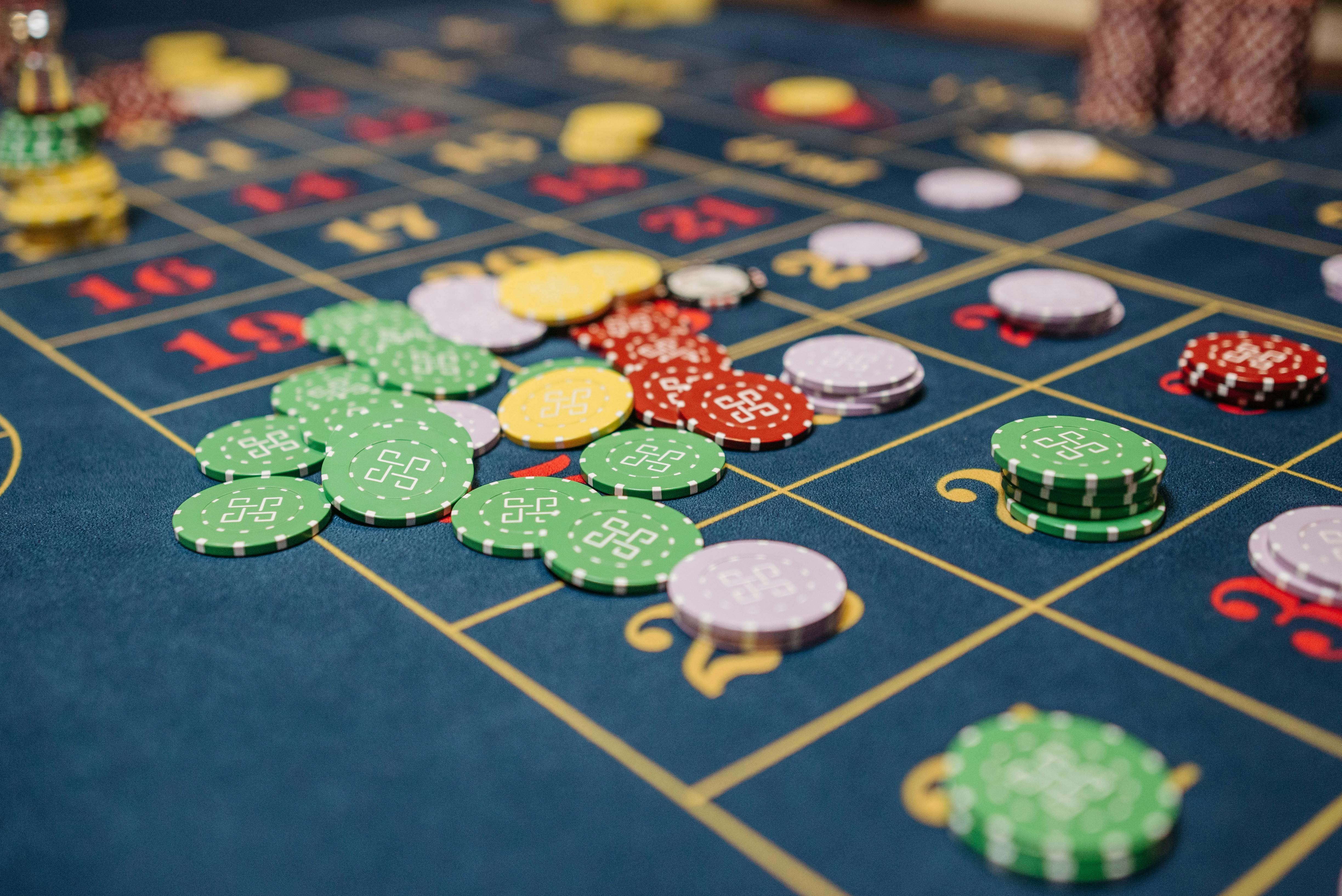
The balance between luck and skill in gambling is another aspect deeply influenced by cultural perspectives. In Western cultures, games like poker emphasize strategy and skill, while others, such as roulette, are seen as games of chance. This distinction often shapes the way individuals approach gambling, as well as their attitudes toward winning and losing. People may be more inclined to celebrate a skill-based win as a personal triumph, while a luck-based victory might feel less significant.
Conversely, in cultures where gambling is primarily seen as a game of chance, the emphasis is often on the thrill of unpredictability. The concept of luck is more revered, and winning is frequently attributed to fate rather than skill. This cultural narrative influences how gamblers perceive their experiences, shaping their emotional responses to wins and losses.
Social Implications of Gambling Across Cultures
Gambling can foster community and create social bonds, but it also has the potential to lead to social issues. In cultures where gambling is widely accepted, it may be a common recreational activity that brings people together. However, in societies where it is stigmatized, those who engage in gambling might face social ostracism or familial conflict. Understanding these social implications can provide insight into how gambling is integrated into everyday life and the potential consequences of its practice.
The effects of gambling can also vary by cultural context. For instance, some cultures may have robust support systems in place for individuals struggling with gambling addiction, whereas others may lack such resources, leading to increased stigma. This disparity highlights the importance of cultural sensitivity when discussing the societal effects of gambling.
Regulatory Differences in Gambling Practices
Different cultures also exhibit distinct regulatory approaches to gambling, shaped by historical, economic, and social factors. In some countries, gambling is heavily regulated and closely monitored, often resulting in state-sponsored gambling establishments. This approach can serve as a source of revenue for governments and can help mitigate illegal gambling activities.
On the other hand, in cultures where gambling is more relaxed, there may be fewer restrictions, leading to a proliferation of informal gambling venues. The differences in regulation reflect broader societal attitudes toward gambling and highlight the need for a nuanced understanding of how various cultures balance personal freedom with potential societal risks.
Promoting a Balanced Perspective on Gambling
As we explore gambling through these various cultural lenses, it becomes clear that a balanced perspective is essential. Acknowledging the role of luck and skill, alongside the cultural significance of gambling, can help create a more informed discourse on the topic. This understanding can contribute to healthier gambling practices, encouraging individuals to approach gambling with awareness and responsibility.
Furthermore, platforms that promote work-life balance and well-being, such as the one mentioned, can provide valuable insights into managing leisure activities, including gambling. By fostering a healthy relationship with gambling, individuals can enjoy its entertainment value without succumbing to the potential pitfalls.