
Reply to this text with a picture of the receipt for instant reconciliation. No more waiting for statements, no retail accounting chasing down receipts weeks later. They’re buying parts for customer orders, grabbing coffee for the team, and restocking shelves—often without a streamlined receipt submission process.
- From tips and techniques for managing your finances and bookkeeping to information on tax preparation and software options, we’ve got you covered.
- In the world of wholesale distribution, knowing how to handle accounting is key.
- This would mean that your initial inventory was valued at $800, while your second batch totals $500.
- The method could make profitability look higher initially, then lower in a subsequent quarter, before it has time to stabilize.
- Cost-Volume-Profit (CVP) analysis explores the interplay of costs, sales volume, and profit.
Find out your cost-to-retail ratio

Although retail accounting may seem daunting at first, like any other accounting function, it focuses on keeping a business’s finances in check. It involves tracking sales, managing inventory, and ensuring that financial reports are accurate. Let’s explore the role of accounting in retail, the perks of retail accounting, the hurdles a business can encounter, and strategies to streamline the process for greater efficiency. An inventory system provides retail-based businesses a comprehensive account of available items and the monetary value of these inventory items. The cost of the inventory affects actual profit, and inventory in stock is considered an asset for the purposes of taxation and business valuation. Using the retail method of accounting, retailers use the projected retail cost to value the inventory.
- Tracking COGS helps you understand profit margins and make informed pricing decisions.
- Consult with tax professionals who specialize in retail businesses.
- Retail companies must use many important measures to assess their health, efficiency, valuation, and profitability.
- The FIFO method would be best to use in this scenario if customers took dice out of the bottom of your bucket.
- Right Networks employs Snapshot technology to backup customer data.
Robust Data Security:

The retail method calculates the value of ending inventory by adding beginning inventory and any new purchases. The difference is then multiplied by the cost to retail price ratio, which tells you what percentage of the retail price is the cost. More specifically, in retail accounting, you’ve got to value all of your inventory at retail value Payroll Taxes and then subtract your sales to estimate your remaining inventory. This will also help you determine the markup on your items, which can be used to calculate how much inventory you have left after the sale.
Simplified Tax Reporting
Retail accounting can feel like a daunting task, particularly if financial reporting isn’t your forte. Luckily, Shopify has the tools you need to master accounting—which is made possible by unifying your most important data into a central business brain. The problem comes when you’re dealing with several products with widely differing sales margins. In that case, you may need to calculate the weighted average of your cost-to-sales ratio. Another disadvantage is that retail accounting needs more consistency and precision; it generally offers approximate figures rather than exact counts.
Methods to account for inventory costs
Small independent stores looking for standalone financial software can buy Odoo Accounting, CARES Act which includes invoicing, a double-entry system, and bank synchronization. Let us handle the complexities of your financial operations so you can focus on growing your business with confidence and efficiency. We take the time to understand your short- and long-term business goals, then we provide you with a comprehensive, strategic tax plan.
- This is straightforward when managing a few products, but it becomes more complex with hundreds of items.
- Evaluate your sales trends, stock turnover, and business objectives.
- These professionals have access to the latest and most advanced software to ensure accurate inventory tracking and valuation.
- «This would normalize once tariffs stabilize, depending on how much of the cost retailers absorb.»
- Success requires more than just selling products—you need accurate financial tracking, efficient inventory control, and tax compliance.
- This part explains how to calculate inventory costs using the cost method.
Pros and Cons of COGS Accounting
Its purchasing and inventory management modules are effective for large chains because they can support a large volume of data. Utilized as a retail accounting software, Business One also caters well to brick-and-mortar and online stores, syncing the inventory for both channels. Owners can generate reports that include multiple channels, which can help identify trends and comparisons between them. Using advanced accounting software and following best bookkeeping practices lays a strong foundation for growth.
Aging Reports:
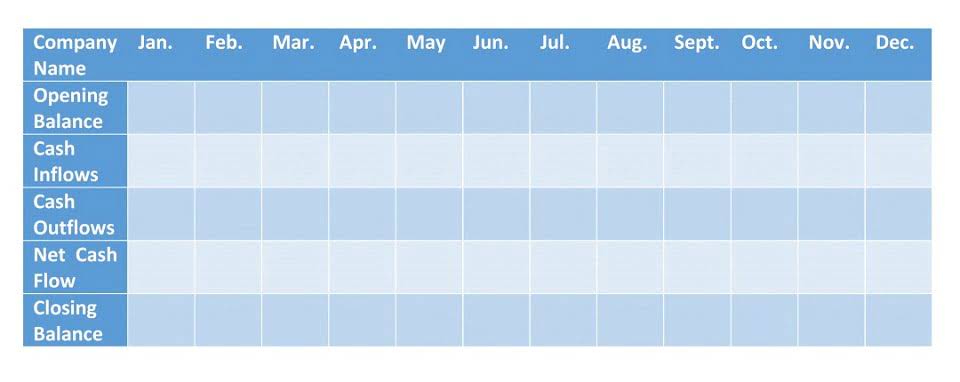
As your retail business grows, you may need to add new accounts or categories to accommodate changes in your operations. If a retail business seeks external funding, potential investors or lenders will scrutinize their financial records. Accurate bookkeeping demonstrates financial transparency and can instill confidence in stakeholders. The basic formula for the retail method uses the cost-to-retail ratio. This takes the cost of goods available and divides it by retail value of goods available, then multiplies it by 100 to get a percentage point.
This is essential for paying bills and meeting other financial commitments. It provides a clear view of a business’s financial health and performance. Embracing technology can significantly improve accounting practices. They help retailers in forecasting demand and optimizing inventory. Choosing between inventory and COGS accounting should align with your business strategy.